
IVF Treatment Step by Step: Everything You Need to Know
IVF Treatment Step by Step: Everything You Need to Know
In Vitro Fertilization (IVF) has helped millions of couples worldwide achieve their dream of becoming parents. If you're considering IVF, it's natural to have questions about how the treatment works and what to expect during each stage.
This guide explains the IVF process step by step, helping you understand the journey from your first consultation to pregnancy testing.
IVF (In Vitro Fertilization) is an advanced fertility treatment where eggs are retrieved from the ovaries and fertilized with sperm in a specialized laboratory. The resulting embryo is carefully monitored before being transferred into the uterus, where it can implant and develop into a pregnancy.
Fertility Specialists Association
What Is IVF?
IVF (In Vitro Fertilization) is an advanced fertility treatment where eggs are retrieved from the ovaries and fertilized with sperm in a specialized laboratory. The resulting embryo is carefully monitored before being transferred into the uterus, where it can implant and develop into a pregnancy.
IVF is often recommended for couples dealing with various fertility challenges, including blocked fallopian tubes, male factor infertility, ovulation disorders, endometriosis, and unexplained infertility. It can also be used for genetic screening and preservation of fertility.
The IVF Process: Step by Step
The IVF journey typically involves several distinct stages, each carefully orchestrated to maximize the chances of success.
Step 1: Initial Consultation and Evaluation
Your IVF journey begins with a thorough consultation with a fertility specialist. This includes a review of your medical history, fertility testing for both partners, and a discussion of your treatment goals. The doctor will assess your ovarian reserve, uterine health, and sperm quality to create a personalized treatment plan.
Step 2: Ovarian Stimulation
To increase the chances of success, fertility medications are used to stimulate the ovaries to produce multiple eggs instead of the single egg that naturally develops each month. This phase typically lasts 8-14 days and involves daily injections of gonadotropins, along with regular monitoring through blood tests and ultrasounds.
Step 3: Egg Retrieval
When the follicles have reached the optimal size, a trigger shot is administered to mature the eggs. Approximately 36 hours later, the egg retrieval procedure is performed. This is a minor surgical procedure done under sedation, where a thin needle is guided through the vaginal wall to aspirate the fluid from the follicles. The retrieved fluid is then examined for eggs.
Step 4: Fertilization and Embryo Development
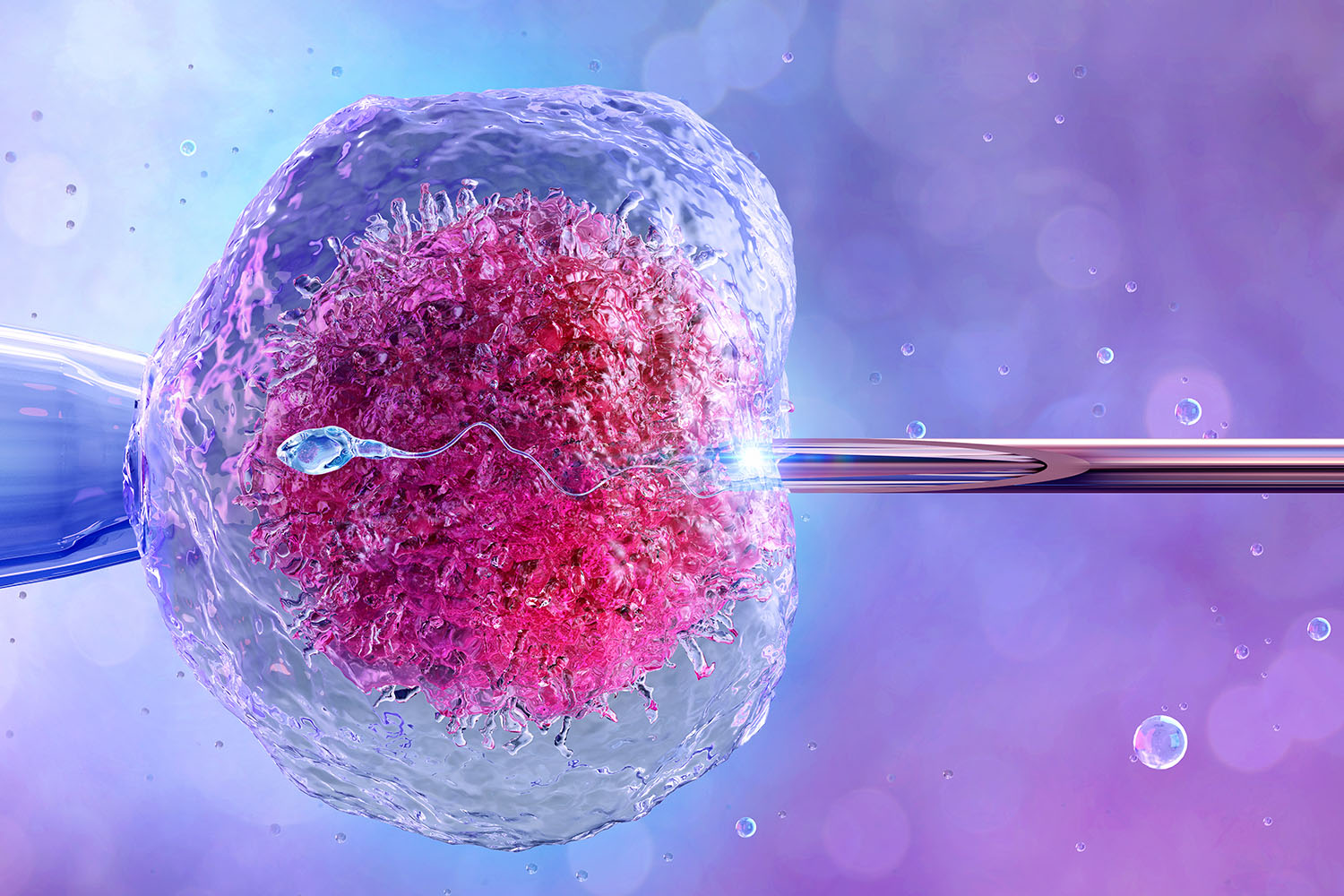
The retrieved eggs are combined with sperm in the laboratory. Fertilization can occur through conventional insemination (mixing eggs and sperm together) or Intracytoplasmic Sperm Injection (ICSI), where a single sperm is injected directly into each egg. The fertilized eggs (now embryos) are cultured in the lab for 3-6 days, and embryologists monitor their development closely.
Step 5: Embryo Transfer
One or more healthy embryos are selected for transfer into the uterus. This is a simple, painless procedure that typically requires no anesthesia. A thin catheter is guided through the cervix to place the embryos into the uterine cavity. Any remaining high-quality embryos can be frozen for future use.
Step 6: Pregnancy Test
Approximately 10-14 days after the embryo transfer, a blood test is performed to detect the presence of human chorionic gonadotropin (hCG), the pregnancy hormone. If the test is positive, you'll continue with medication support and schedule your first ultrasound to confirm the pregnancy and check for a heartbeat.
Success Rates and Factors Influencing Success
IVF success rates depend on various factors, including the woman's age, the quality of the embryos, the cause of infertility, and the clinic's expertise. Generally, younger women have higher success rates. It's important to discuss realistic expectations with your fertility specialist.
Emotional and Physical Considerations
The IVF journey can be emotionally and physically demanding. It's normal to experience a range of emotions, from hope and excitement to anxiety and disappointment. Seek support from your partner, family, friends, and consider joining a support group. Self-care, stress management, and open communication with your medical team are essential throughout the process.
Remember, every IVF journey is unique, and each step brings you closer to your goal. With advances in reproductive medicine, IVF continues to offer hope and success to countless families around the world.